


When it comes to the fight against hair loss, the first word almost every patient hears is minoxidil. This compound has become the “gold standard” of home therapy, yet so many rumors have surfaced around it that distinguishing reality from fiction is becoming increasingly difficult.
In this article, MHT Clinic experts explain how this treatment actually works, who it helps, and which myths prevent people from achieving their desired results.
What is Minoxidil and How Does It “Wake Up” Hair?
Minoxidil is a vasodilator originally developed to treat high blood pressure. However, doctors noticed a curious side effect: patients began to experience active hair growth.
The mechanism of action in simple terms:
-
Improved Circulation: The treatment dilates the small blood vessels around the hair follicles.
-
Nourishment: More blood means more oxygen and nutrients for the hair roots.
-
Extending the Growth Phase: Minoxidil encourages the follicle to stay in the anagen (active growth) phase longer and exit the resting phase sooner.
Top 5 Myths About Minoxidil: Debunking Popular Misconceptions
Myth 1: Minoxidil treats the cause of hair loss
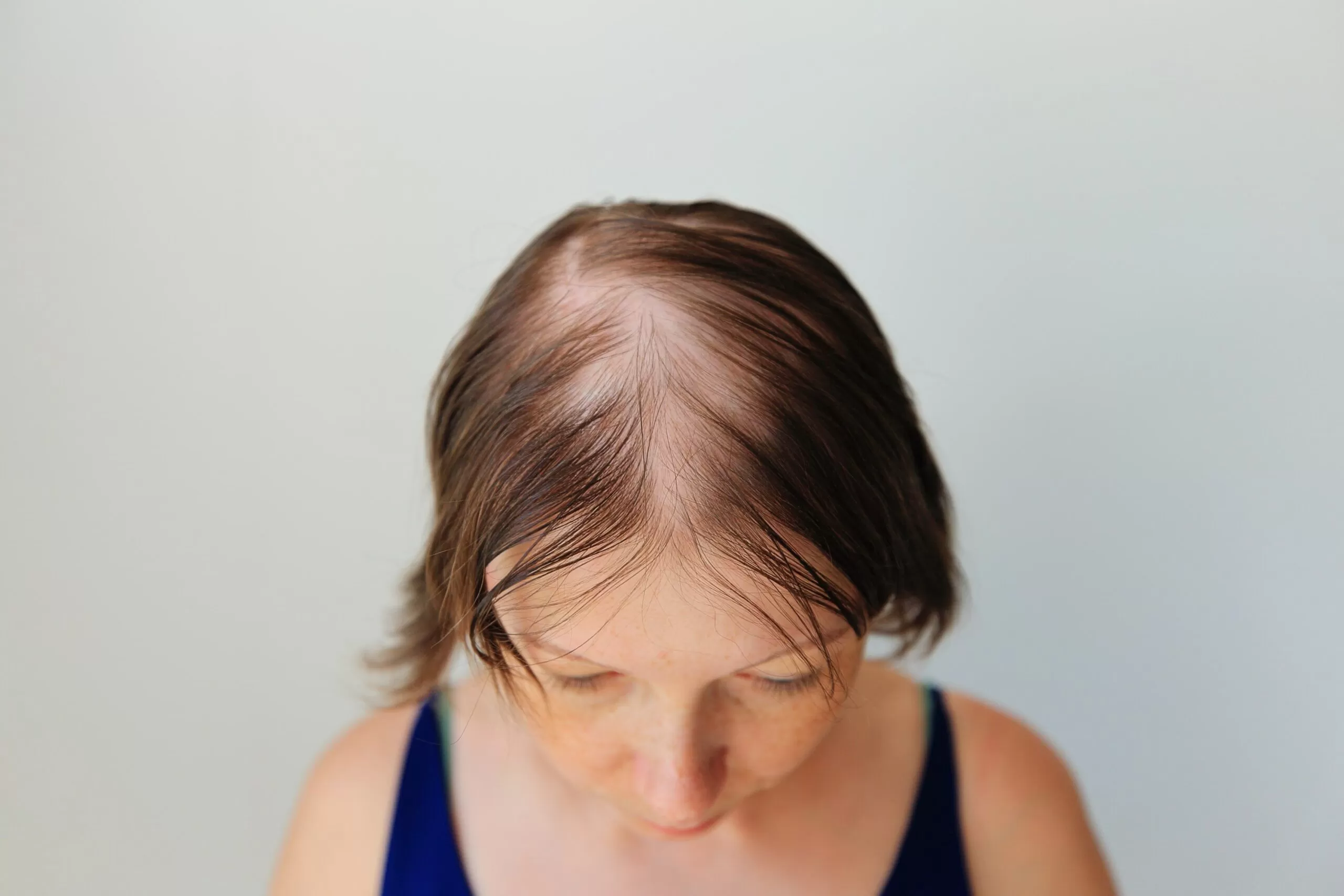
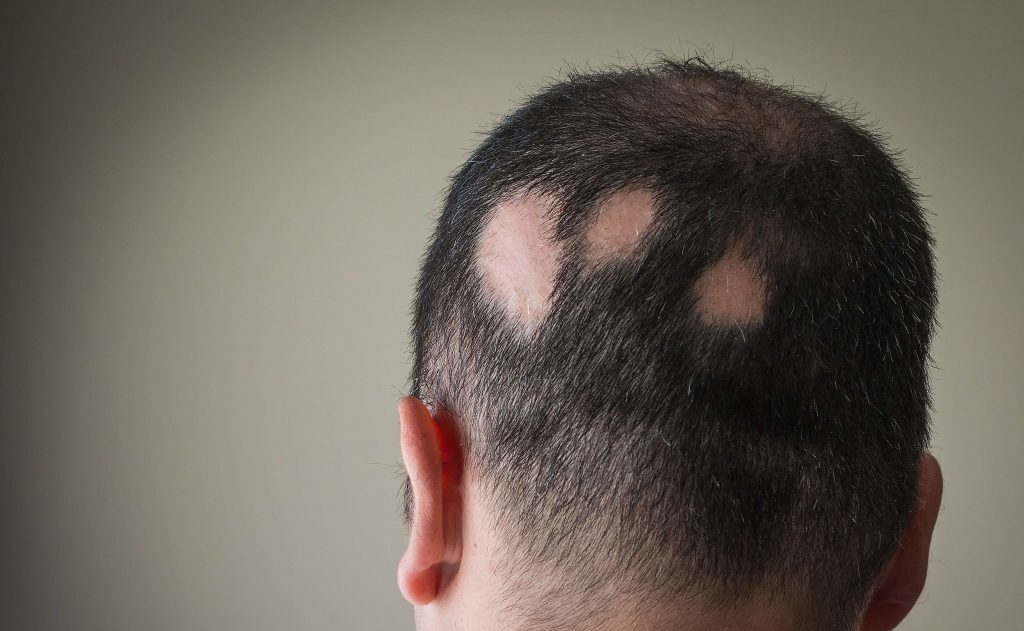
Truth: This is not the case. Minoxidil is a growth stimulant, not a cure for the underlying cause of shedding. If a patient suffers from androgenetic alopecia (genetic sensitivity to dihydrotestosterone), the treatment only helps hair grow despite the negative influence of hormones, but it does not stop the hormonal action itself.
Myth 2: If you stop using it, all your hair will fall out
Truth: Only the hair that grew or was maintained thanks to the treatment will fall out. This is known as the “withdrawal effect.” The body simply returns to the state it would have been in without the treatment. Therefore, for chronic hair loss, consistent use is recommended.
Myth 3: Minoxidil can grow hair where there hasn’t been any for years
Truth: The treatment only works on living follicles. If the scalp has already developed smooth baldness (fibrosis), no concentration of 2% or 5% will help. In such cases, the only effective method of restoring hair is hair transplantation.
Myth 4: The more you apply, the faster it grows
Truth: There is a specific dosage (usually 1 ml twice a day). Overdosing will not speed up growth but will significantly increase the risk of side effects: irritation, headaches, or unwanted facial hair growth (hypertrichosis).
Myth 5: 5% Minoxidil is only for men, and 2% is only for women
Truth: Today, doctors often prescribe the 5% concentration to women as well if the 2% version does not provide sufficient results. However, this should only be done under the supervision of a trichologist to avoid adverse reactions.
Minoxidil and Hair Transplantation: Is It Worth Combining?
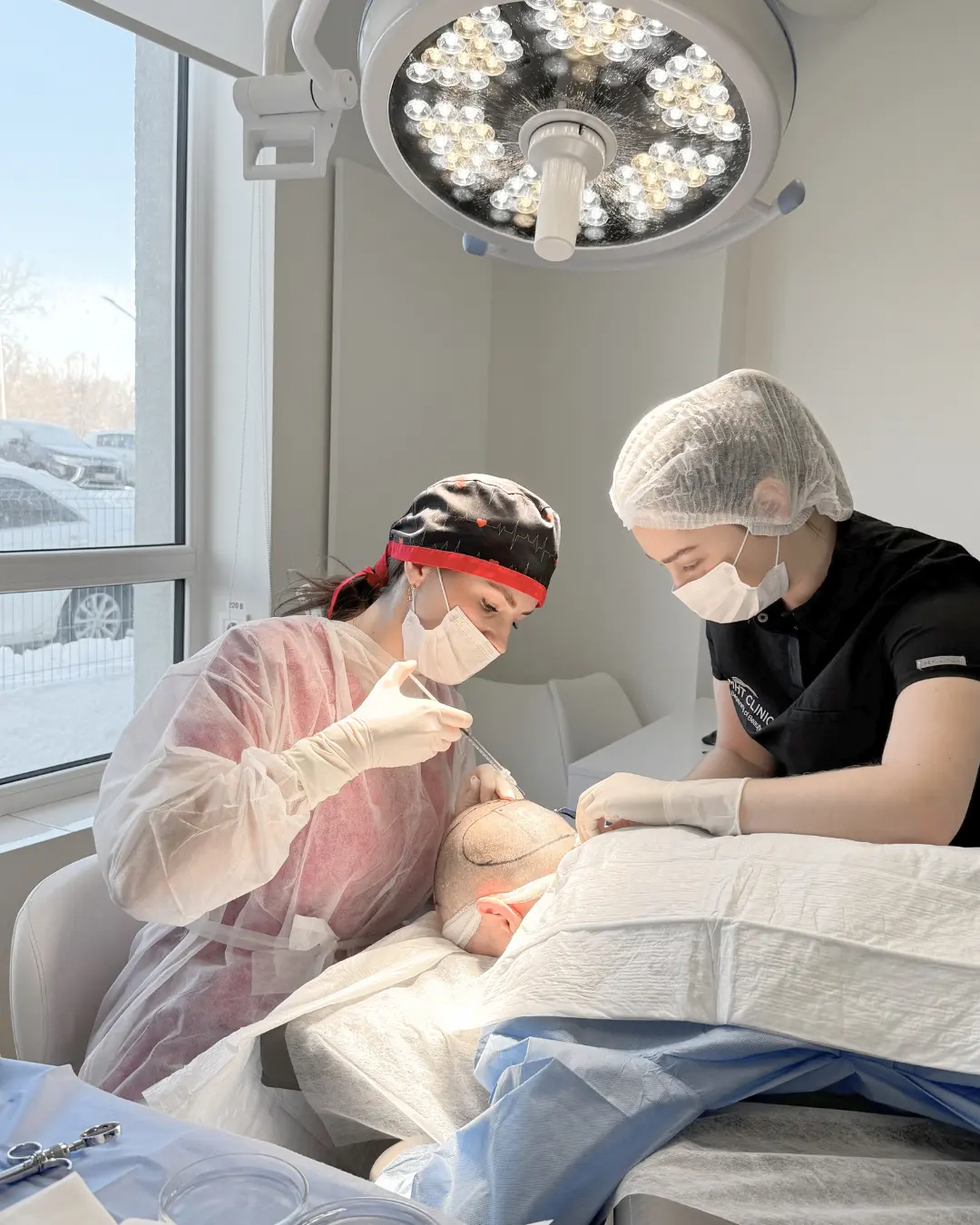
Many MHT Clinic patients ask: “Do I need to use minoxidil if I’ve already decided on a transplant?”
The answer is individual, but most often – yes.
-
Before surgery: Helps strengthen the donor area and stabilize the loss of existing natural hair.
-
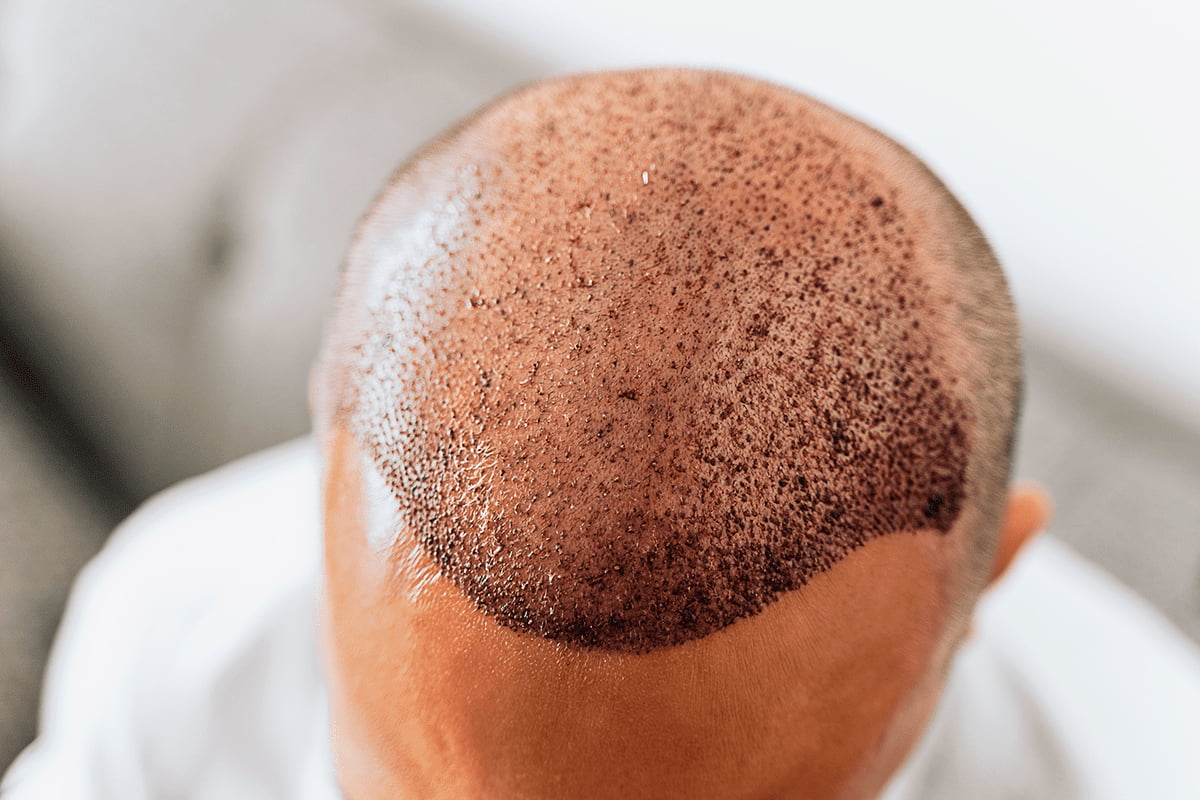
After surgery: Doctors may recommend the treatment a few weeks after the procedure to stimulate circulation in the implanted area and speed up the “awakening” of the transplanted grafts.
Important: Hair transplantation solves the problem where there is no longer any hair. Minoxidil helps preserve the hair that remains around the transplanted area.
Side Effects: What You Should Know
Like any medicinal product, minoxidil has its downsides:
-
Scalp scaling and itching (due to the alcohol and propylene glycol in the formula).
-
Initial shedding (the so-called “shedding effect” – old hairs fall out to make room for new ones). This is a normal reaction in the first 2–4 weeks.
-
Edema or rapid heartbeat (rare, but requires discontinuation of the treatment).
Conclusion: Is It Worth Starting?
Minoxidil is an effective tool, but it requires discipline and realistic expectations. It does not replace surgical hair restoration, but it can be an excellent supplement to the comprehensive treatments at MHT Clinic.
Before starting therapy, we recommend undergoing a trichoscopy to determine the type of alopecia and the appropriateness of using the treatment in your case.
Disclaimer: This article is for informational purposes only. To establish a diagnosis and treatment plan, please consult the specialists at MHT Clinic.